
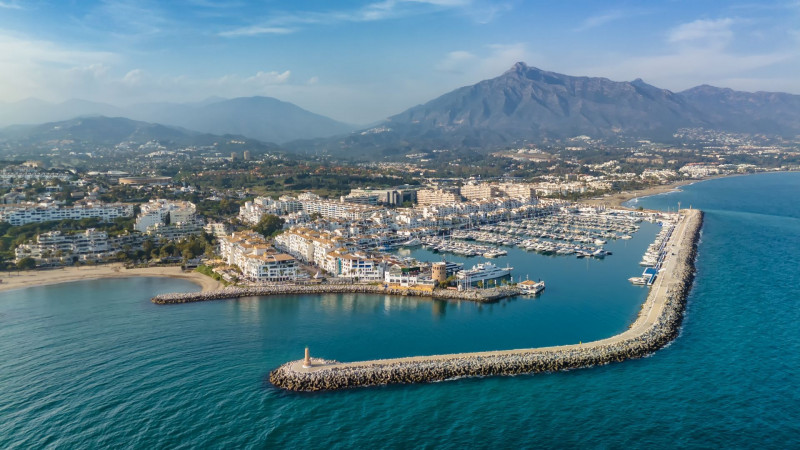
Thinking of owning a sunlit home on Costa del Sol? Many international buyers are attracted to its beaches, climate, and Mediterranean lifestyle, but the financial aspects of buying property in Spain can be more complex than expected. In 2024, foreign property transactions made up more than 15 per cent of all home sales in Spain, highlighting the region’s strong appeal. However, many overseas buyers underestimate the true costs involved in owning a home there.
In this 2025 guide, you will learn about the complete cost of buying property in Costa del Sol, including property taxes, legal and notary fees, mortgage costs, and ongoing expenses. Whether you are buying a permanent residence, a holiday home, or an investment property, understanding these figures will help you plan realistically and avoid surprises.
Understanding Property Taxes in Costa del Sol
Spain’s property tax system distinguishes between new-build and resale homes, and in Andalusia, where Costa del Sol is located, the rates and requirements differ accordingly. For resale properties, buyers pay a Property Transfer Tax known as Impuesto de Transmisiones Patrimoniales (ITP). The rate typically ranges from 7 to 10 per cent, depending on the property’s price bracket and any applicable exemptions. For instance, a resale villa priced at €400,000 may attract an ITP of about 8 per cent, which would result in a tax payment of €32,000.
For new-build properties purchased directly from a developer, buyers must pay Value Added Tax (IVA) at 10 per cent, as well as Stamp Duty (Actos Jurídicos Documentados or AJD), which usually falls between 1.5 and 1.8 per cent. This means that a new apartment costing €400,000 could involve taxes of around €40,000 in IVA plus several thousand euros more in stamp duty.
Regional incentives and reductions are sometimes available. For example, Andalusia occasionally offers lower ITP rates for first-time buyers or properties that meet specific energy efficiency standards. It is always wise to confirm current tax rates and exemptions before making a purchase, as these can change from year to year.
Breakdown of Buying Costs for Property in Costa del Sol
In addition to the purchase price and taxes, buyers should budget an extra 10 to 15 per cent to cover associated costs. These additional fees often include notary charges, land registry fees, legal services, mortgage setup expenses, and translation or certification costs for foreign buyers.
Notary fees are paid to formalise the property deed and ensure it is legally recognised. Land registry fees follow, ensuring that ownership is correctly recorded in the buyer’s name. Legal fees typically account for around 1 to 2 per cent of the property price. A good Spanish lawyer will conduct due diligence, verify the title, confirm that the property is debt-free, and ensure the transaction complies with local law.
If you are obtaining a mortgage, banks may charge arrangement or appraisal fees, and non-residents often face slightly higher interest rates. Other overlooked expenses include currency exchange costs, building surveys, utilities setup, and community contributions, especially if the property is part of a residential complex.
As a general guide, a buyer purchasing a property for €250,000 might expect to spend an additional €25,000 to €37,500 on related costs. For a €500,000 home, this could rise to around €50,000 to €75,000, while a luxury property worth €1,000,000 may involve supplementary costs of approximately €100,000 to €150,000. Understanding these ranges helps you plan for the true financial commitment of property ownership in Costa del Sol.
Annual Property Taxes and Maintenance Fees
Owning property in Spain involves yearly obligations beyond the purchase stage. The most significant of these is the IBI, or Impuesto sobre Bienes Inmuebles, which is a local property tax charged by the municipality. It is calculated based on the cadastral value, an official figure set by the council that is generally lower than market value. Depending on the location, IBI typically ranges from 0.3 to 1.1 per cent of that value.
Another municipal charge is the Basura tax, a smaller annual fee that covers rubbish collection and local waste management.
Non-resident property owners must also pay Non-Resident Income Tax. Even if you do not rent your home, the Spanish tax authority assumes a small “imputed” rental income on which tax is due. If you rent out your property, you will be taxed on actual rental income, although certain expenses can be deducted. Capital Gains Tax applies when you sell the property, and rates differ depending on whether you are a resident or non-resident.
Community fees are also important for those living in developments with shared facilities such as pools, lifts, or gardens. These fees vary according to the size and type of complex but can add up significantly over the year.
How Property Taxes Differ for Residents and Non-Residents
Tax residency determines how your income and assets are taxed in Spain. Anyone living in Spain for more than 183 days a year, or whose main source of income originates there, is considered a tax resident. Residents are subject to income tax on their worldwide earnings, while non-residents are only taxed on income generated within Spain.
Residents must also report assets held abroad, while non-residents generally do not. Spain has double taxation agreements with many countries, including the United Kingdom, to ensure that the same income is not taxed twice. For example, a UK citizen who lives abroad but owns a holiday property in Marbella will only pay Spanish tax on rental income from that property. However, if they move permanently to Spain, they must declare income from all global sources, including assets held in the UK.
Legal and Administrative Fees When Buying in Costa del Sol
Working with a qualified Spanish lawyer is essential for all foreign property buyers. Legal fees typically represent around 1 to 2 per cent of the purchase price, but this can vary depending on the complexity of the transaction. The lawyer ensures that the contract is accurate, the title is clean, and all necessary checks are completed before completion.
The notary plays a key role by overseeing the signing of the property deed, while the land registry ensures that the buyer’s ownership rights are officially recorded. International buyers also need a Spanish tax identification number (NIE) and may have to arrange for certified translations or legalised documents.
If you are financing your purchase with a mortgage, additional costs such as bank appraisal fees or opening charges may apply. It is advisable to compare terms from several lenders before committing to ensure you get the best available deal.
How to Reduce Property Buying Costs in 2025
While some expenses are unavoidable, others can be reduced through careful planning. Buyers can negotiate with sellers regarding who covers legal or notary fees, as some developers may include these in promotional packages. Purchasing energy-efficient properties or qualifying as a first-time buyer may also entitle you to lower tax rates.
Obtaining quotes in writing for legal, notary, and surveyor services helps avoid hidden costs. Appointing a lawyer with Power of Attorney allows them to act on your behalf, saving the time and expense of travelling to Spain for each step of the process. Most importantly, partnering with an experienced local estate agent ensures professional guidance throughout the transaction, reducing the risk of costly errors.

Why Choose Martin Real Estate?
When buying property in Costa del Sol, having a trustworthy and knowledgeable local agent makes all the difference. Martin Real Estate offers clients a transparent, supportive service backed by in-depth regional expertise.
Founded in 2023 by Paul Martin, the company has quickly established a reputation for reliability and personal attention. The team operates across key areas including Marbella, Estepona, Mijas, Fuengirola, Benalmádena, Coín, Calahonda, and Torremolinos. They provide a complete service from property search and legal coordination to translation, registration, and aftercare, ensuring every buyer feels supported from start to finish.
By choosing Martin Real Estate, clients gain access to a wide network of listings, trustworthy guidance, and a smooth, stress-free purchasing experience.
Frequently Asked Questions
What is the total cost when buying property in Costa del Sol?
Most buyers should budget an additional 10 to 15 per cent of the property price to cover taxes, legal, and notary fees. For a €400,000 home, expect around €40,000 to €60,000 in extra costs.
Are taxes different for new builds and resale homes?
Yes. New-build properties require payment of IVA and Stamp Duty, while resale properties are subject to Property Transfer Tax (ITP). The total amount varies by region and property type.
Do non-residents pay more tax?
Not necessarily, but their tax obligations differ. Non-residents pay tax only on income earned in Spain, while residents pay on worldwide income.
What is IBI and how is it calculated?
IBI is a local property tax based on the cadastral value, which is lower than market value. Rates typically range from 0.3 to 1.1 per cent, depending on the municipality.
Can these costs be reduced?
Yes, to some extent. Negotiating with sellers, using Power of Attorney, and taking advantage of regional tax incentives can all help reduce costs.
Do I need a Spanish lawyer?
Yes. Only a Spanish lawyer can legally oversee the purchase process, register your property, and ensure compliance with local regulations.
Conclusion
Buying property in Costa del Sol is a rewarding experience, but understanding the full scope of property taxes, legal fees, and ownership costs is essential for a successful purchase. By preparing thoroughly and working with trusted professionals such as Martin Real Estate, buyers can enjoy peace of mind and a smoother transaction from start to finish.
Contact Martin Real Estate today to begin your property journey in Costa del Sol with confidence.